

Trainings
ELEM trains thousands of employees from trains thousands of professionals, male and female workers from various organizations and institutions across the country every year. ELEM’s professionals provide training, lectures, workshops, professional development days, courses, and seminars based on the extensive knowledge and experience accumulated over 40 years of unique activity with at-risk youth throughout the country.

Who are we?
Our lecturers are ELEM professionals from the fields of therapy and education. They are experienced frontline practitioners who specialize in working with at-risk youth and bring additional expertise tailored to the specific topic of each lecture or training session.
What do we offer?
Lectures, training, concentrated study days, workshops, seminars, and courses on diverse and comprehensive topics related to working with at-risk youth. The content of the trainings will be adapted to the unique needs of the training requester and the audience. For orders and additional questions, please contact: Yarden Ben Danan | Yarden.bendanan@elem.org.il | 0524600103
Browse our trainings

Training course “Interventions with teenagers in virtual spaces”
The course will deal with the presence of teenagers in virtual spaces, the unique effects of the internet on their world, we will learn about the arenas they are in, we will get to know the virtual space as a tool for identifying, reaching out, and intervening with teenagers. We will discuss ethical issues that arise when we are in virtual spaces where everything is open and exposed. And we will talk about the barriers and advantages of our presence online.
More info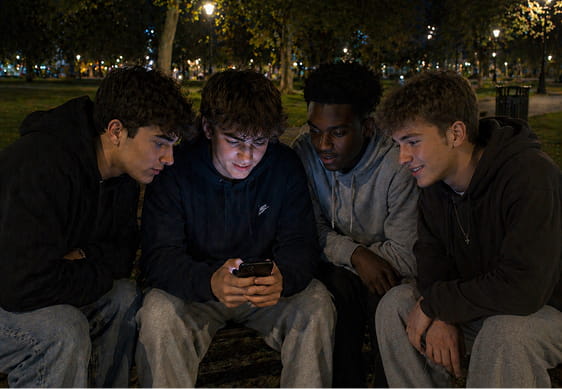
Workshop – The Adult’s Role Online
In the workshop, we will talk about the spaces and opportunities at our disposal for the better understanding and forming of relationships with teenagers. We will talk about what a meaningful relationship is, how it is formed and what its components are, and what our role is as significant adults for teenagers.
More info
Workshop – Barriers and Benefits of Online Youth Work
How can barriers become opportunities? What obstacles may different target populations face? What unique advantages does outreach work offer in engaging and supporting young people?
More info
Online interventions with youth from the Arab society
Online work with youth from the arab community requires interventions adapted to culture and language. In the lecture, we will discuss the unique characteristics of Arab youth online and their use of it. We will also cover intervention methods and responses that can be provided.
More info
Interventions with youth online
Many teenagers who need advice, guidance, information, and even treatment, prefer to avoid the need to be personally exposed and turn to the internet to receive anonymous support, where they won’t be labeled. In the lecture, we will talk about intervention methods, building relationships, and engagement. Ways to connect on social media, using the platform and maximizing its potential. Personal safety and boundaries – what are the control mechanisms.
More info
Ethics in online youth work
There are a variety of online platforms where young people are present. The digital space is open, there is high exposure, a lot of information and events. When we enter these platforms to create interventions with young people, we encounter ethical dilemmas. In the lecture, we will discuss ethical dilemmas. What is the scope of our responsibility for what happens online?What are our boundaries?
More info
Online outreach to teens is distress
Locating teenagers online in practice – how do we define our target audience? Active vs. passive detection. Practices and tips for quality detection.
More info
Introduction: The Virtual Space
What is the internet space for teenagers and what are its characteristics as a supportive medium – existence, types of communication and characteristics, youth activity on social networks, the network as a risk arena and warning signs.
More info
Falling in Love with a Machine – Love and Relationships Among Teenagers in the Age of Artificial Intelligence
Teenagers hope that artificial intelligence will help deal with the challenges and complexities of love and relationships. Can artificial intelligence really help with these challenges? In the lecture, we will examine ways in which artificial intelligence is currently used in the context of love, sexuality, and relationships among teenagers.
More info
Come Vent in my DMs – on mental health online
Teenagers feel more comfortable receiving help and sharing about their mental state online than face-to-face. There they can share their challenges and pains and find others who feel like them. But can sharing online really help mental health? And how do teenagers use the language of the internet to talk about their distress?
More info
“Is it a bot or a human?” On youth growing up in the artificial intelligence revolution
In recent years, artificial intelligence has changed our lives. Teenagers are also affected by the revolution, whether as a tool for learning or as a resource for mental health support. How does artificial intelligence change the lives of teenagers, what do they do with GPT, and do they prefer talking to a bot rather than a human?
More info
“When I was your age, I was outside all day!” About teenagers in virtual spaces
How different are the lives of “digital natives” from those of previous generations? In which online spaces do they exist and what do they do there? And most importantly – how can we help them use technological tools for good in their lives and the lives of others.
More info
Artificial Intelligence and Teenagers
Artificial intelligence tools are becoming increasingly accessible, and teenagers are using them for consultation on various topics. In the lecture, we will discuss artificial intelligence as emotional support, for learning, or for creating personal connections.
More info
Homeless Women – Characteristics and Intervention Methods
In this lecture, we will learn about the characteristics of street dwellers and homeless women, and discuss a case study for establishing contact, accessibility, and availability in youth work.
More info
Survival strategies – fringe phenomena, social marginalization, characteristics of prostitution and homelessness, and intervention methods
In the lecture, we will talk about the unique characteristics of adolescents and young adults at the extreme end of the risk spectrum. About the strategies they use to survive, their characteristics, and the intervention methods with them.
More info
The language of treatment with adolescents and young adults at the extreme end of the spectrum – from harm reduction to treatment plan – theory and application
In the lecture, we will discuss methods of intervention and treatment for adolescents and young adults who are at the extreme end of the risk spectrum. On different approaches and their implementation.
More info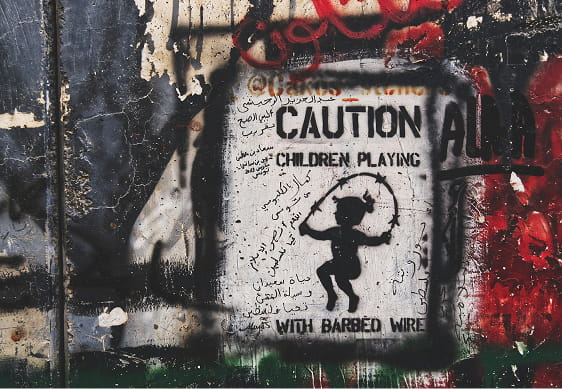
Symptoms of children and adolescents who have experienced sexual abuse
In the lecture, we will learn about the symptoms of adolescents and children who have been sexually abused.
More info
The dynamics of secrets and the implications of concealment. A cultural approach to keeping secrets and emotional discourse
In the lecture, we will learn about the meaning of secrets as an inherent part of sexual abuse, both from the perpetrator’s side and the victim’s side, and an approach to the delicate work of unraveling the secret while protecting the patient.
More info
Basic Concepts in Working with Children and Adolescents Who Sexually Abuse
In the lecture, we will learn about basic concepts for working with children and adolescents who sexually abuse. Familiarity with the language of therapy, thinking errors, and a safety plan.
More info
Sexual abuse among adolescents – understanding the phenomenon and coping strategies
In the lecture, we will review the current situation of sexual abuse among children and adolescents, the phenomenon and its dimensions. We will discuss behaviors that may indicate a history of sexual abuse.
More info
When is it normal and when is it not
In the lecture, we will discuss inappropriate sexual behavior among children and adolescents. And we will build a reference table for when it is appropriate and normative and when it is concerning.
More info
The impact of sexual abuse in early childhood
In the lecture, we will learn about the approach to sexual abuse that occurs in early childhood, starting from the pre-verbal stage and how it manifests in the future.
More info
Normative sexual behavior
In the lecture, we will learn about the stages of sexual development among children and adolescents in a normative way.
More info
Sexual abuse among teenagers – A look at sexual abuse among boys and the perception of masculinity
In the lecture, we will learn about sexual abuse where both victims and perpetrators are boys. Working on the stereotype of ‘man’ and understanding why it is difficult to seek treatment and generally share about the abuse.
More info
Sexual abuse of boys in the Haredi community
In the lecture, we will focus on sexual abuse within an insulated sector of society. Dealing with cultural taboos and how it is still possible to talk about sexuality within this world.
More info
Incest
In the lecture, we will learn about incest among children and youth. Understanding the phenomenon, prominent symptoms, long-term consequences of incest, and treatment stages.
More info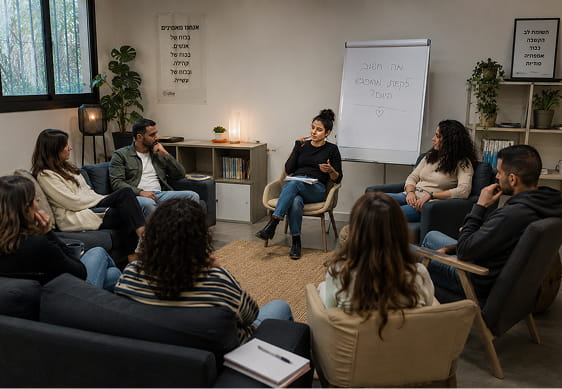
Secondary traumatization among therapists and professional teams working with sexual abuse
The lecture addresses what therapists go through when absorbing the difficult and complex content of sexual abuse among children and adolescents, and provides tools for coping.
More info
Operational decisions regarding protection and the consequences of harm
In the lecture, we will discuss protection and the consequence of abuse. We will talk about a protection plan both in relation to the perpetrator and in relation to the victim. Building a therapeutic plan within and outside the institution.
More info
Coping with the initial disclosure of the abuse (facing the victim, the perpetrator, and the uncertainty)
In the lecture, we will receive initial tools for dealing with the initial disclosure of sexual abuse, both from the from the perpetrator’s side and the victim’s side. We will discuss strategies to validate the patient instead of shutting them down.
More info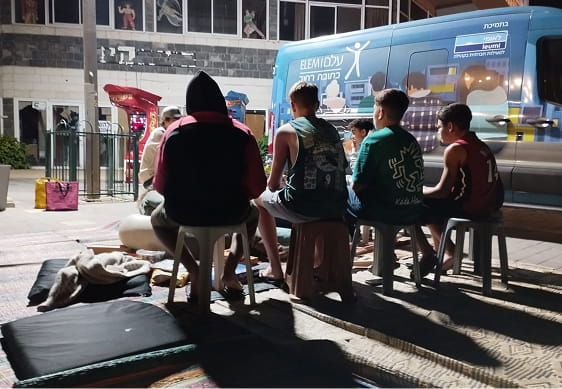
Between Formal and Non-Formal – Principles of Intervention in Non-Formal Spaces
In the lecture, the principles of work and intervention in non-formal spaces will be reviewed. The practice of therapy through connection will be reviewed, boundaries within a relationship and their role will be discussed, and interpersonal relationships as agents of change will be examined.
More info
Adolescence in the 21st Century
In addition to the general challenges and struggles of adolescence, today’s teenagers face various unique challenges: challenges and dangers arising from social networks, high social and environmental expectations and criticism, early sexuality, and more. The lecture will address these topics, the role of adults in meeting with teenagers, and principles for constructive dialogue.
More info
Principles for dialogue with teens about use of psychoactive substances
Once considered a fringe phenomenon, substance use has become increasingly common among adolescents. This lecture explores today’s culture of substance use, including patterns of use, the settings in which it occurs, commonly used substances, and the role social media plays in shaping attitudes and behaviors. Participants will also learn practical approaches for engaging adolescents in open, constructive conversations about substance use and gain an overview of effective intervention strategies.
More info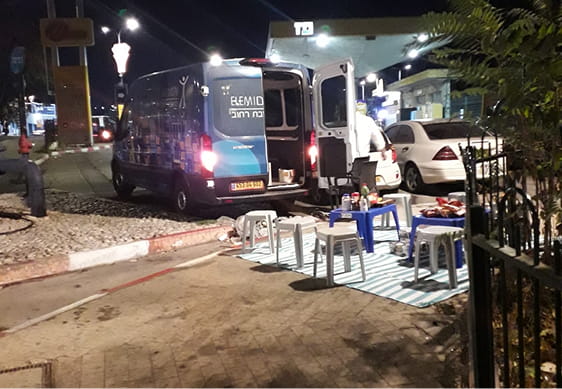
Principles for discourse with teenagers in the shadow of war
In the lecture, we will discuss exposure to terror and traumatic events, their effects on adolescents, and our role as adults in their environment.
More info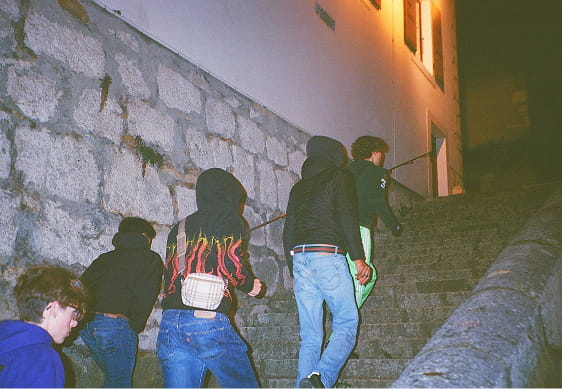
Between street work and outreach – working with youth on the street
The lecture will deal with different types of street work, what is the difference between outreach and street work as a goal, and how to adapt the method to the goal. In addition, the characteristics of the target population, work practices, and intervention principles will be reviewed. And how to be a significant adult on the street.
More info
Suicidality among adolescents
Suicidality among adolescents is a common issue, especially during crises – personal, social, familial, and national. In the lecture, we will discuss the prevalence of the phenomenon among adolescents, differentiate between suicidal ideation, suicidality, and self-harm, and receive tools for identification and coping.
More info
To be a significant adult
In the workshop, we will discuss the possibilities and opportunities available to us in being a significant figure for teenagers. We will discuss our role in the relationship with teenagers, what space allows for a meaningful connection, and its characteristics.
More info
Boundaries in working with teenagers
As part of their emotional and social development, adolescents gradually learn how to navigate life in society, including its rules, conventions, social norms, and expectations. Because testing limits is a natural part of adolescence, the role of adults in setting clear, consistent boundaries is essential. This lecture explores the role of the significant adult in establishing healthy boundaries and examines topics such as consequences, delayed gratification, partnership, protection, creating a sense of safety, and fostering meaningful dialogue.
More info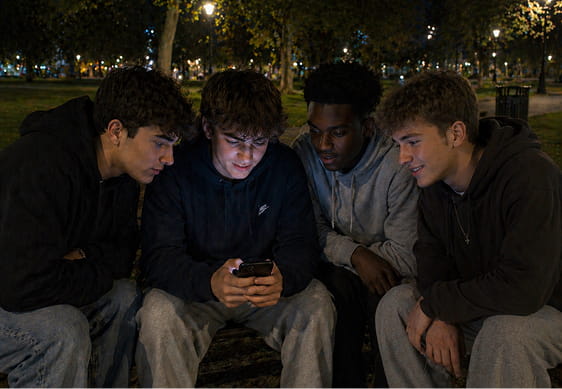
Tools for discussing porn with teenagers
In the lecture, we will discuss how to talk to youth about porn. We will learn basic concepts from the world of the internet and porn, discuss the boundaries of porn and the boundaries of popular culture. We will look at this through Freud’s eyes on voyeurism and through feminist theories.
More info
Working with teenagers experiencing anxiety
In the lecture, we will discuss ways of working with teenagers experiencing anxiety and receive practical tools for implementation. What are anxieties? How to approach? How to work with teenagers who isolate themselves at home and do not attend school and other social institutions.
More info
Multicultural work with youth
In this lecture, we will discuss questions related to working in multicultural youth spaces. Do we come as a blank slate? Are we objective? Not racist? And without prejudices? We will observe together and examine how to interpret different situations.
More info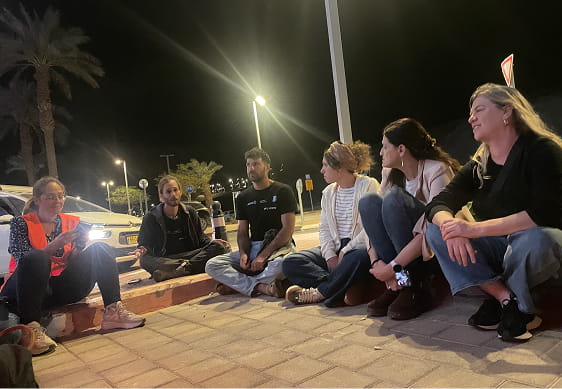
Communication skills and building rapport with teenagers
In many cases, we will encounter resistance or our own personal challenges during attempts to connect with teenagers. In the lecture, we will receive tools for initial contact, building trust, deepening the conversation, listening skills, and initial communication
More info
Tools for discussion about sexual harassment and assault with teenagers
In the lecture, we will learn how to talk to teenagers about sexual harassment and assault. What are the warning signs we should pay attention to, we will talk about how we protect ourselves and our environment within a patriarchal culture. This lecture also serves to prepare a team for open dialogue with teenagers about sexuality.
More info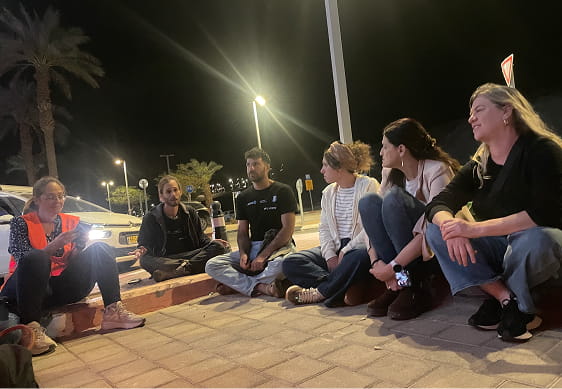
Training and ongoing support of the volunteers
In the lecture, we will learn together how to work with volunteers and discuss professional concepts regarding screening, recruitment, training, and involvement of female volunteers. Dilemmas related to the relationship between paid staff and volunteers.
More info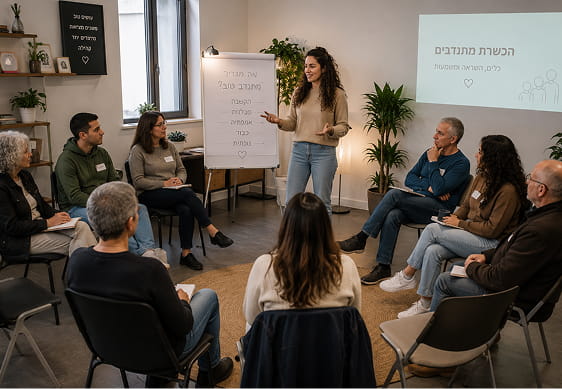
Recruitment of volunteers, screening and interviewing of volunteers
In the lecture, we will talk about recruiting volunteers in the third sector, the challenges and dilemmas in the process, and we will receive practical tools that will help us in the recruitment process.
More info
Preparation work for receiving volunteers – checking attitudes: expectations and concerns
In the workshop, we will clarify the participants’ attitudes and discuss expectations and concerns
More info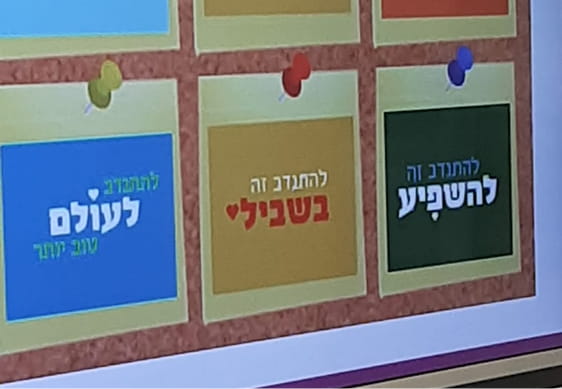
Working with volunteers: Professional conceptions on screening, recruitment, training, and involvement of volunteers
In the lecture, we will learn how to motivate a community to act, about the importance of third-sector organizations. We will use ELEM as a case study through which we will learn about working with volunteers and values of social change.
More info